How Does Energy Balance Actually Work?
Energy balance is the foundational concept for understanding how body weight changes. At its core, it describes the relationship between energy intake—the calories consumed through food and beverages—and energy expenditure—the total calories burned through all physiological processes and physical activity.
This principle comes from basic thermodynamics: energy cannot be created or destroyed, only transformed. In the human body, when the energy consumed equals energy expended, body weight remains stable. When intake exceeds expenditure, excess energy is stored, primarily as fat tissue. When expenditure exceeds intake, stored energy is mobilized to meet the body's needs.
However, understanding energy balance requires looking deeper than simple mathematics. The body's energy regulation involves complex physiological systems, hormonal signals, and adaptive mechanisms that influence how much we consume, how much we expend, and how the body stores or mobilizes energy.
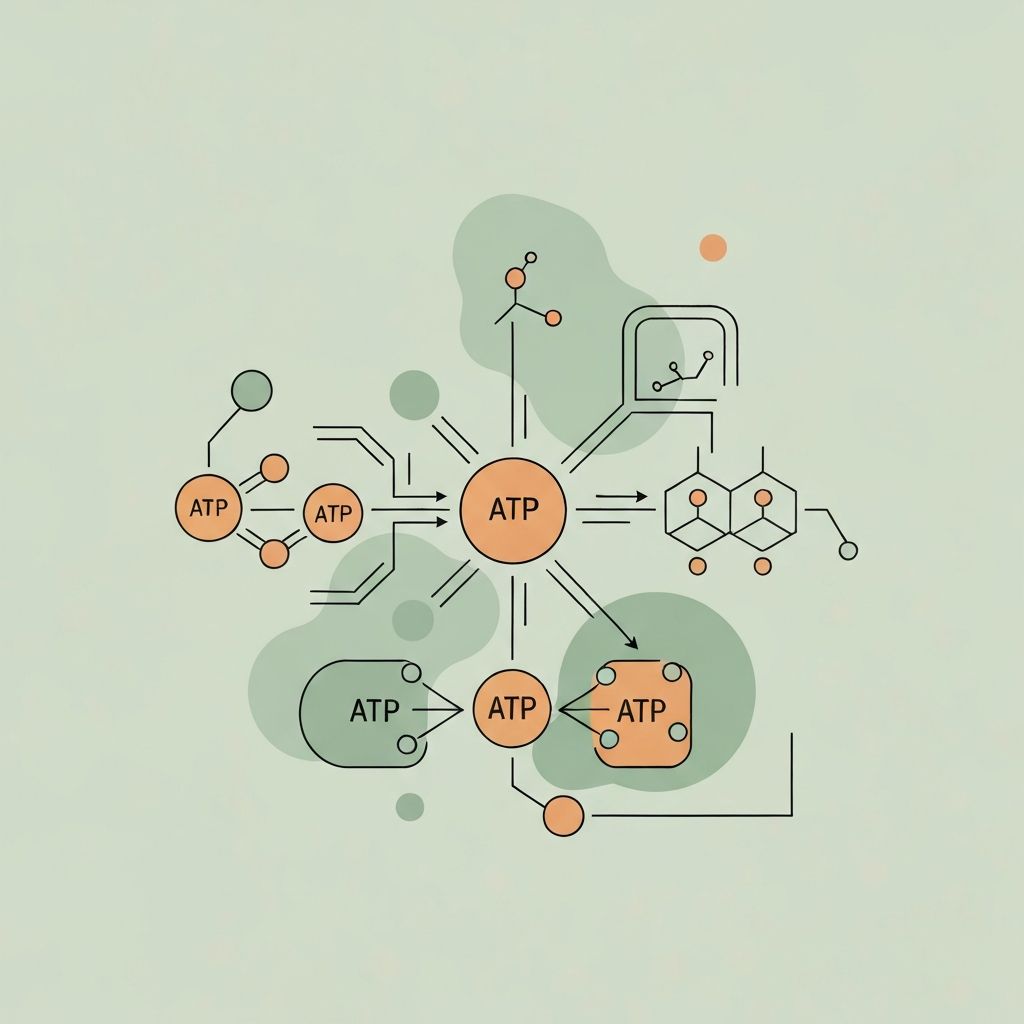
Components of Energy Expenditure
Total daily energy expenditure consists of several components, each contributing to the overall calories burned:
Basal Metabolic Rate (BMR)
This is the energy required to maintain basic physiological functions at rest—heart function, breathing, cellular processes, maintaining body temperature. BMR typically accounts for 60-75% of total daily energy expenditure in sedentary individuals. It's influenced by factors including age, sex, body composition, genetics, and hormonal status.
Thermic Effect of Food (TEF)
Also called diet-induced thermogenesis, this is the energy required to digest, absorb, and process nutrients. Different macronutrients require different amounts of energy to process—protein has the highest thermic effect, followed by carbohydrates, then fats. TEF typically accounts for 8-15% of total daily energy expenditure.
Exercise Activity Thermogenesis (EAT)
This is the energy expended during structured exercise and intentional physical activity. The amount varies widely depending on frequency, duration, and intensity of exercise.
Non-Exercise Activity Thermogenesis (NEAT)
This encompasses all the energy expended through daily movement outside of formal exercise—occupational activity, fidgeting, maintaining posture, daily tasks. NEAT can vary considerably between individuals and contributes significantly to total energy expenditure.
Metabolic Adaptation
The body doesn't simply maintain a fixed metabolic rate. When energy intake changes significantly, the body adapts. Prolonged caloric restriction can lead to a decrease in metabolic rate and a reduction in non-exercise activity thermogenesis as the body adapts to conserve energy. Similarly, periods of high energy intake can increase metabolic rate.
This adaptive thermogenesis reflects the body's attempt to maintain energy balance and may explain why sustained weight changes often require ongoing adjustments to eating and activity patterns rather than one-time interventions.
Energy Intake Regulation
Caloric intake is regulated by complex hormonal and neurological systems. Hunger hormones like ghrelin signal the body's energy needs, while satiety hormones like leptin signal fullness. These hormones are influenced by nutrient composition, meal timing, physical activity, sleep, and stress.
Factors affecting how much people eat include macronutrient composition, food palatability, portion sizes, eating environment, emotional state, and individual variation in hormone response. Individual differences in hunger, satiety, and appetite regulation are substantial.
Individual Variation
While energy balance is a universal principle, individual differences in metabolism, hunger regulation, and energy adaptation are significant. Genetic factors influence how efficiently individuals store or mobilize energy, their resting metabolic rate, and their hunger/satiety response to different foods and eating patterns.
This variation helps explain why the same dietary or activity pattern produces different results in different people—the underlying principle is the same, but the individual factors are distinct.
Practical Implications
Understanding energy balance helps explain weight changes at a physiological level. However, the regulation of energy balance involves many systems working together. This complexity means that maintaining weight changes typically requires sustained changes in multiple factors—not just temporary restriction.
Individual variation in these systems is substantial, which explains why approaches that work well for some people may work less effectively for others.
Limitations and Considerations
This article explains the scientific principles of energy balance but does not provide personal recommendations or promise specific outcomes. Individual factors vary greatly, and consulting with healthcare professionals is important for personal health decisions.