Glycaemic Index: Useful Concept or Oversimplification?
The Glycaemic Index (GI) is a measure of how quickly a carbohydrate-containing food raises blood glucose levels compared to pure glucose. It's been widely discussed in nutrition and weight management contexts, but understanding both its usefulness and its limitations is important for making informed decisions about food choices.
GI is a laboratory-derived measure that ranks foods on a scale, with glucose set at 100. Foods are classified as low GI (under 55), medium GI (55-69), or high GI (70 and above). The concept emerged from research on diabetes management and has been applied more broadly to nutrition and weight.
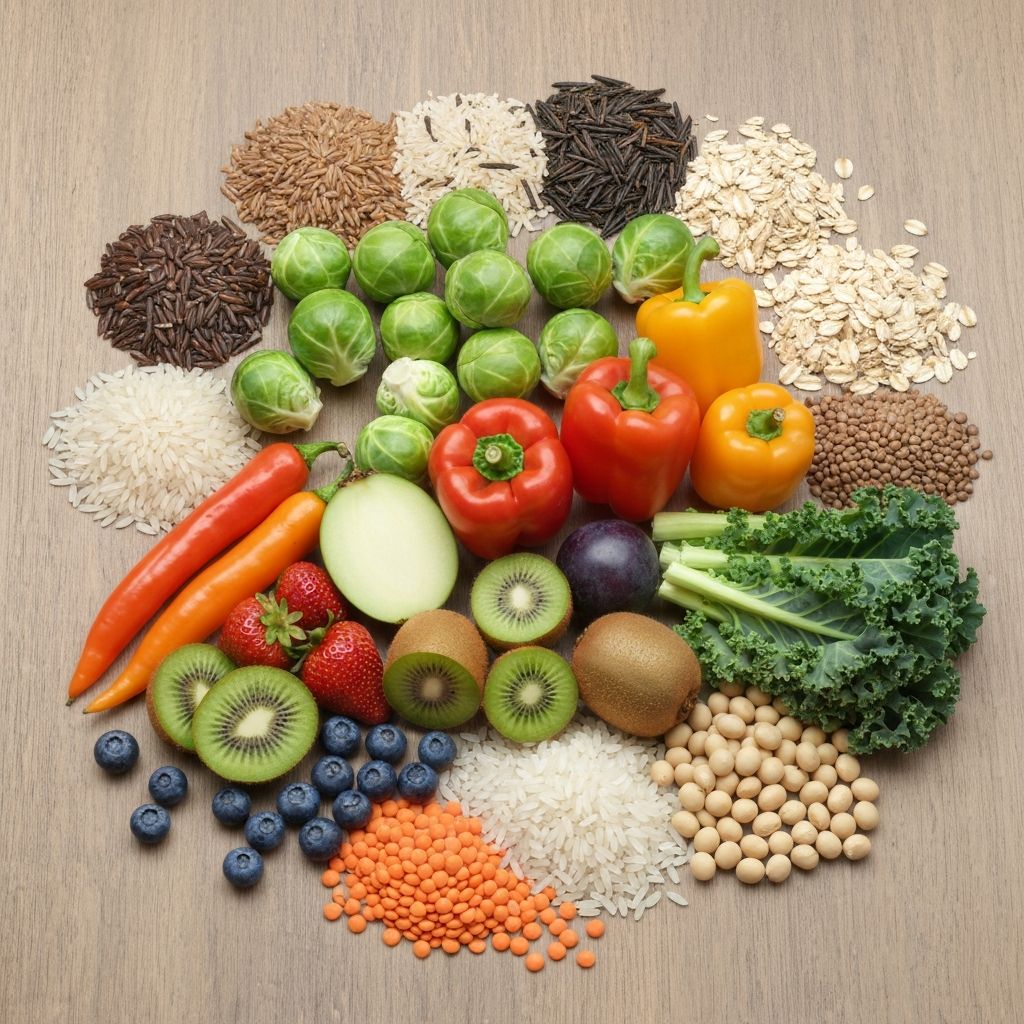
What GI Measures
The Glycaemic Index measures a specific variable: the speed at which a standardized portion of a food raises blood glucose compared to glucose. This is useful information for understanding how different carbohydrate sources affect blood glucose response.
Low GI foods are those that produce a slower, more gradual rise in blood glucose. High GI foods produce a faster rise. Foods with protein, fat, or fibre typically have lower GI values because these components slow glucose absorption.
Glycaemic Load
Glycaemic Load (GL) is a related but different measure. GL accounts for both the GI of a food and the portion size typically consumed. A food might have a high GI but low GL if the typical serving is small. Conversely, a food with moderate GI might have high GL if large portions are typically consumed. GL is considered by some to be more practically useful than GI alone.
What GI Doesn't Measure
This is crucial: GI measures only how a food affects blood glucose. It does NOT measure:
- Overall nutritional quality of a food
- Caloric content or satiety effects
- Micronutrient density or other health properties
- Overall impact on health or weight
For example, white bread and wholemeal bread may have different GI values, but this doesn't account for their different fibre, micronutrient, or satiety properties. Pure glucose and some vegetables can produce similar glucose responses despite vastly different nutritional profiles.
Individual Variation
One significant limitation of GI is that individual glucose responses to foods vary. The same food can produce different blood glucose responses in different people, and even in the same person on different occasions. Factors including baseline glucose tolerance, recent meals, physical activity, sleep, and stress influence individual glucose responses.
This variation means that GI values derived from group averages don't necessarily predict individual responses, limiting the clinical utility for personalizing recommendations.
Context Matters
The GI of a food changes depending on context. When carbohydrates are eaten with protein, fat, or fibre, the overall glucose response is different than when they're consumed alone. Cooking method, ripeness, and food preparation all influence GI. A food's GI in a laboratory setting may differ from its effect when consumed as part of a real meal.
GI and Overall Health
While managing blood glucose is important, particularly for people with diabetes or glucose regulation issues, GI is a single nutritional property. Overall dietary pattern, total nutrient intake, portion sizes, and individual food sources matter more than any single property like GI.
Some research suggests associations between low GI diets and certain health outcomes, but many dietary approaches can be effective, and individual variation in response is substantial.
When GI is Useful
GI can be helpful for:
- Diabetes management—understanding how specific carbohydrates affect blood glucose
- Comparing similar foods (e.g., white versus brown rice)
- Understanding glucose response patterns in individuals with glucose regulation concerns
- Considering satiety when carbohydrate sources are part of overall dietary patterns
When GI is Limited
GI is less useful for:
- Overall nutritional assessment—it doesn't evaluate micronutrients, fibre, or whole food quality
- Predicting individual responses—variation is substantial
- Determining food "healthiness"—many nutritious foods have variable GI values
- Weight management alone—energy balance is the fundamental principle
Conclusion
Glycaemic Index is a useful tool for understanding one specific property of foods—how they affect blood glucose. However, it's not a complete measure of nutritional quality or healthiness. Interpreting GI in context, considering individual variation, and evaluating overall dietary quality are important for making informed choices.
Important Note
This article explains the science of Glycaemic Index but does not recommend specific dietary approaches. Individual nutritional needs and appropriate food choices vary based on health status, personal preferences, and circumstances. Consult healthcare professionals for personalized guidance.